
Doug's Mountain Journal
A Chronicle of Natural History on San Bruno Mountain
Doug Allshouse has been writing his seasonal Mountain Journal for many years. We are very pleased to share his reflections on the natural history of the Mountain. Together with David Nelson, he wrote San Bruno Mountain: A Guide to the Flora and Fauna. The book was published by Heyday Books in November 2022 and can be purchased here.
Winter 2026
There are times when I am forced to fly against the wind, and the beginning of winter 2026 was one of them. The wind that I was flying against involved a lot of talk by meteorologists claiming that this was the warmest winter in quite some time. I recall that October to December was cold and rather wet compared to other years on the coast. That distinction is important because weatherwise our coastal conditions are frequently much different than those inland. Our famous fog is responsible for our plethora of ecosystems on the Mountain. Warm spells are quite common during the winter, especially when a large high-pressure ridge parks itself over northern California.
December 2025 set an unusual record with 20 foggy days totaling 0.31 inches of fog precipitation. The previous winner was 2023 with 8 days and 0.08 Inches. December is usually known for rain, not fog. That record amount of fog set the stage for the rest of the month. Winter officially began with a storm system that dumped 6 inches of rain from the 20th to the 28th. A second storm, that was loosely attached to the first, began the new year with 4.07 inches of rain over the next eight days. Last season, 2024-2025, totaled 20.47 inches of precipitation. On February 19, a storm that dropped 1.10 inches surpassed last year's total, and by the end of the month we had 22.50 inches, with three months to go.
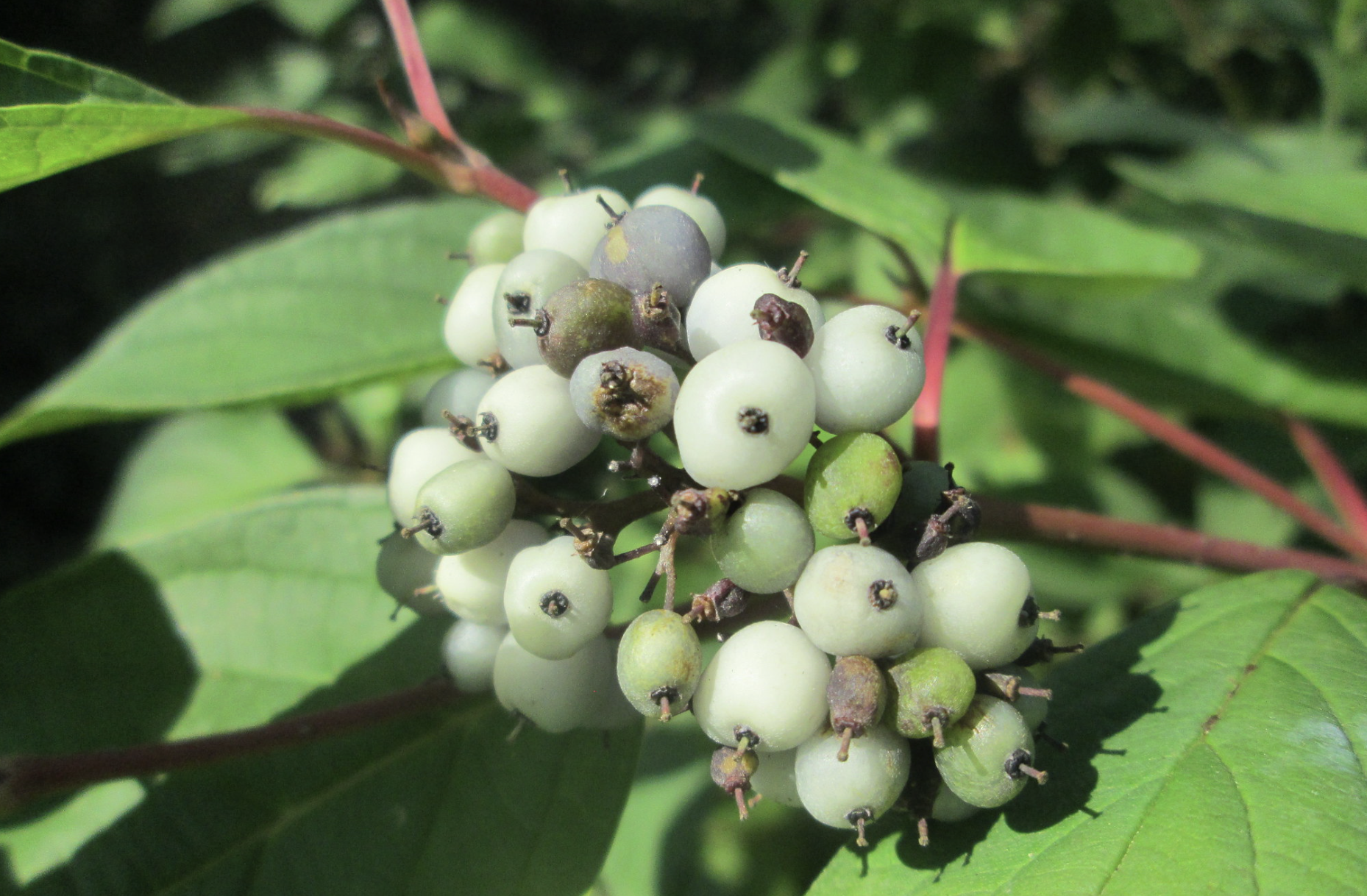
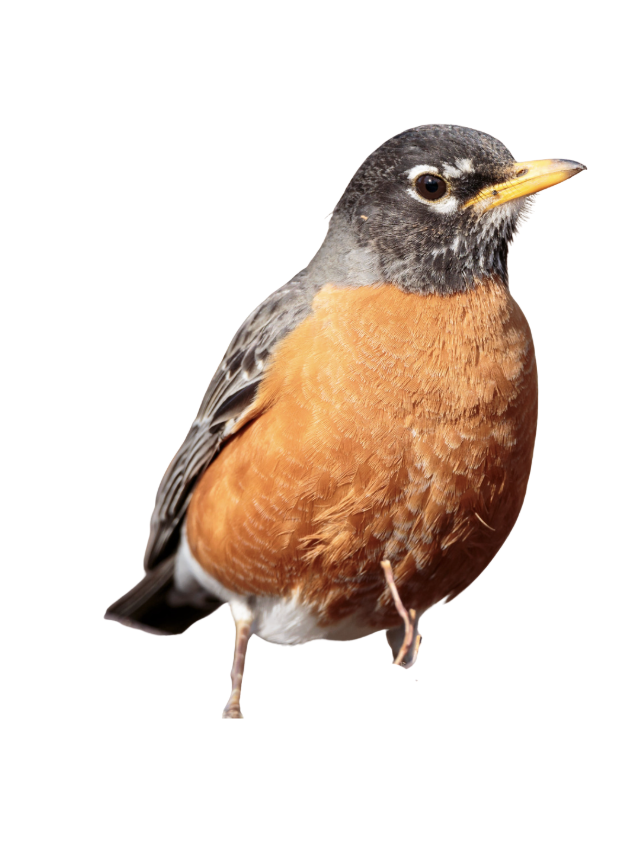
The American Robin is a familiar songbird across North America, easily recognized by its warm orange breast and cheerful caroling at dawn. These birds are highly adaptable, thriving in forests, parks, gardens, and suburban lawns. A dear friend and excellent birder Herb Brandt always said, “I’ve never seen a Robin give up on a good lawn.” During winter, robins often gather in massive flocks, as observed on January 2, 2026, when a group was seen chirping and feeding on dogwood berries.
Their diet consists mainly of insects and earthworms in warmer months, shifting to fruits and berries in winter. Robins are early harbingers of spring, with their arrival and melodic songs signaling the changing seasons. They have a call, which is a soft “Pit” that may be followed by one to four rapid pits. You might hear loud, sharp “Cheats” from several Robins and if you look up into the tree where it is coming from you will find either a raven, a hawk, or an owl on the receiving end of the anger. It generally means that there is a nest or two nearby.
I have been seriously traversing the trails on the Mountain for 45 years and writing about its natural history for 30 years. Imagine my being flabbergasted about an unbelievable phenomenon that has never been recorded in my journals. I have written about hordes of migrating robins creating an awesome chirping cacophony of noise in Fog Forest that usually lasts a few days before they move on, but something strange and unique happened this year. They settled down in Fog Forest in late December. They roosted overnight in the toyons, willows, elderberries, wax myrtles, eucalyptus, and cypress mostly around the area where Colma Creek goes under the Old Guadalupe Trail on its journey to the bay. Walking by them in the morning twilight scared them to the point of twenty to thirty birds flying out of the trees and bushes, their fluttering wings making a loud noise similar to a wave crashing onto the beach. As the sky lightens a short time later the loud chirping begins. About fifteen minutes later they leave the upper canopy of eucalyptus and cypress in groups of thirty to fifty birds and head in waves toward Brisbane and the bay while others fly to San Francisco. As the sun sets they all return to their roosting trees for the night. They finally departed in late February except for the birds who will remain, build nests, and breed here until leaving in September.
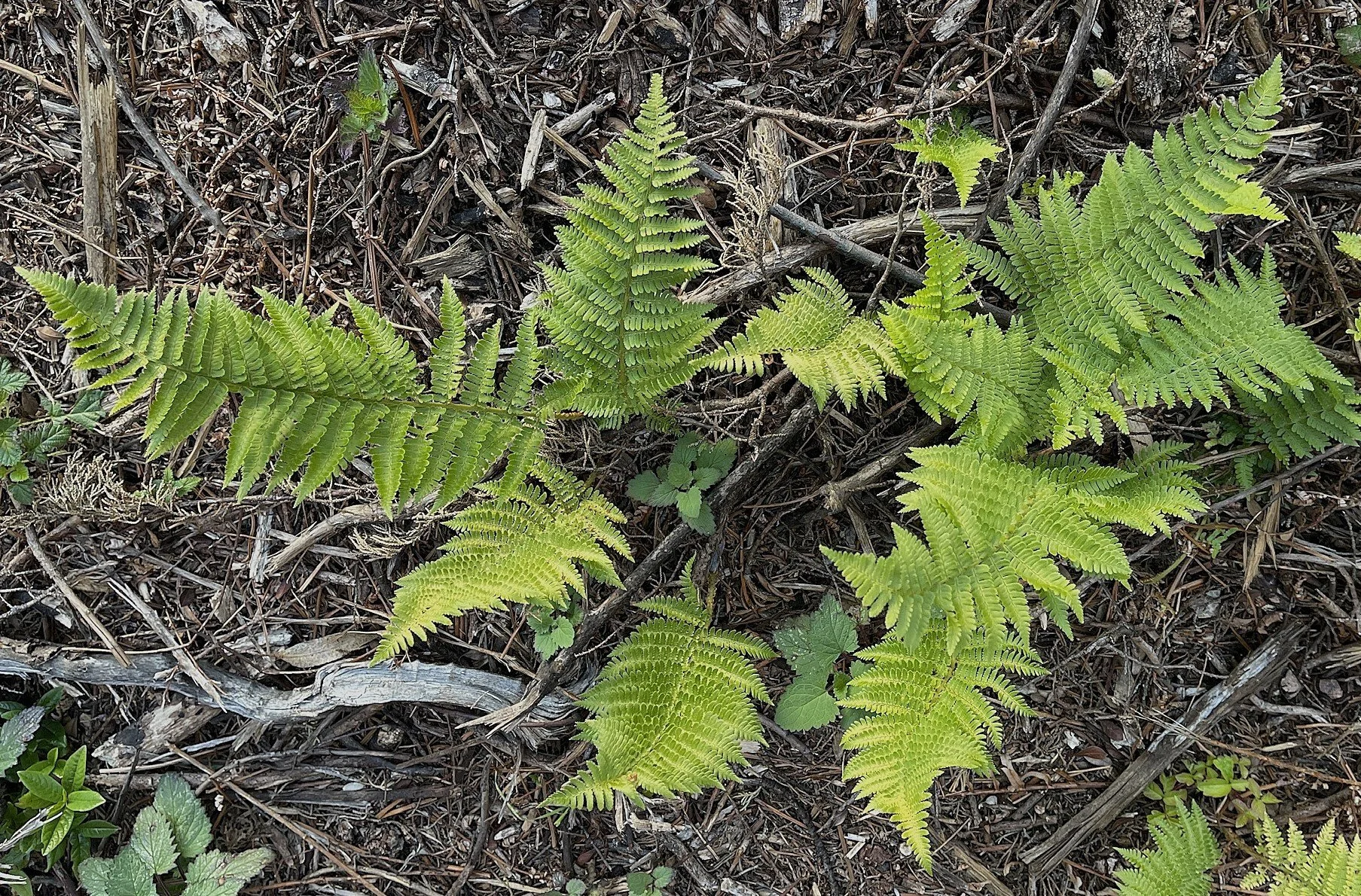
Meanwhile, a few other intriguing discoveries have been made involving my inquisitive co-author, David Nelson. We were poking around an area that was cleared of Himalayan blackberry bushes on the Old Guadalupe Trail when a patch of emerald, green foliage caught our eyes. Scampering down a now cleared hillside we stumbled upon some leather fern (Polypodium scouleri) on the ground. This fern can exist on soil, but it is famous for establishing itself many feet off the ground in the boughs and bark of eucalyptus and cypress trees. As we were checking out another patch of ferns, we were very surprised to see that it was wood fern (Dryopteris arguta ). We usually find this fern in Buckeye and Owl Canyons, so what was it doing almost two miles away in the western Saddle? It seemed very happy.
About a month later I was checking on the ferns and discovered another anomaly nearby. There were a couple of ocean spray plants (Holodiscus discolor) poking out of the ground. Luckily, they have very distinguishable leaves, and the early morning winter sun was shining on them. The nearest plants of this species occur on the Summit Trail in Dairy Ravine about a mile away from this location! The Natives throughout the Pacific Northwest made good use of this large bush. The dried flowers were used to treat diarrhea, measles, chickenpox, and as a blood tonic. Another common name, ironwood, refers to the hardness and strength of the wood, which was made even stronger by heating it and polishing it with horsetail stems. It was used as digging sticks, harpoons, spears, arrow shafts and furniture.
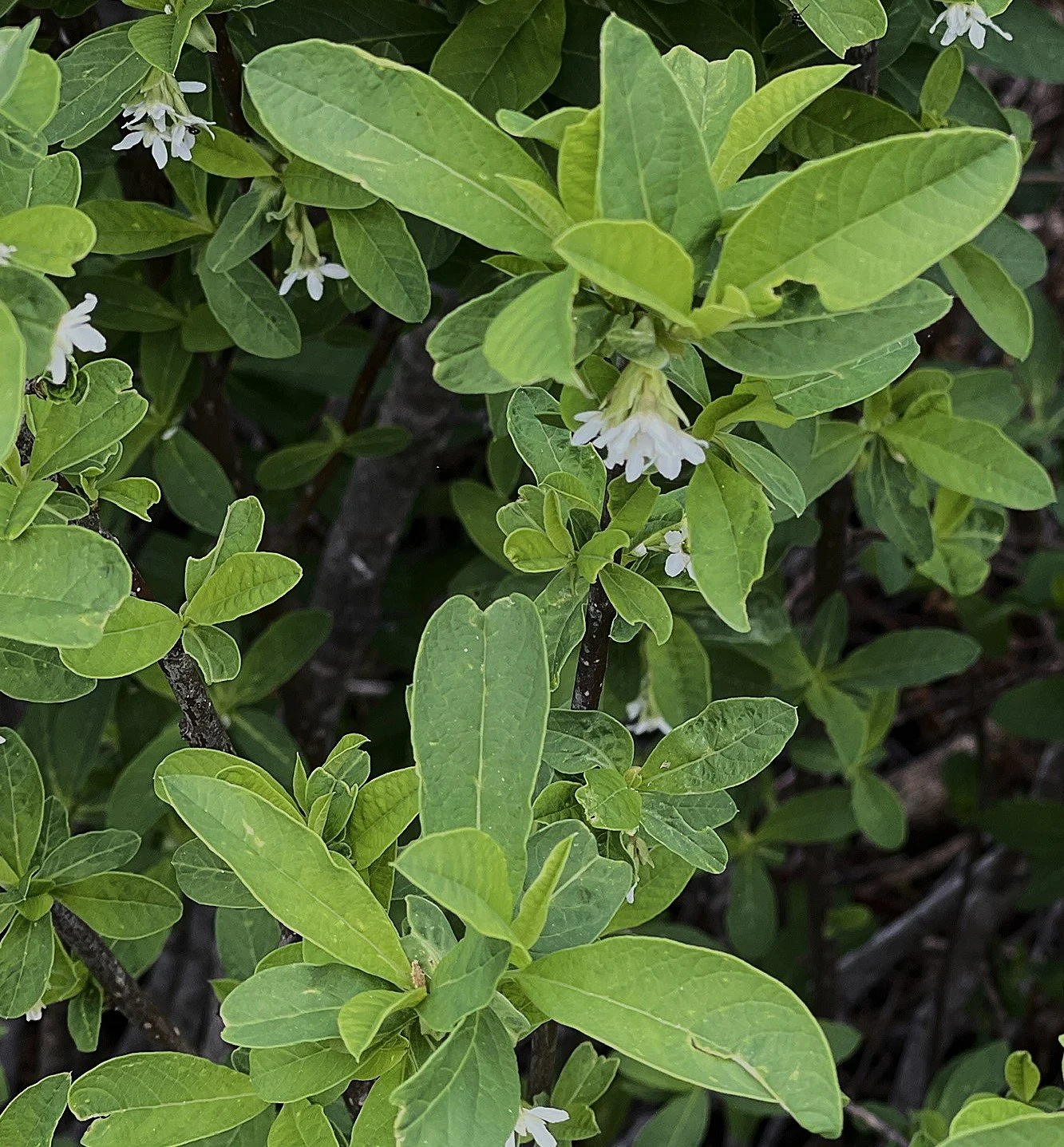
A third new discovery on the Bog Trail was made in early March and was attributed to the removal of a large cotoneaster next to a large toyon tree above the upper Colma Creek bridge. It’s amazing what thrives when huge non-native brush is removed. Lo and behold there was an oso berry bush, also known as Indian plum (Oemleria cerasiformis). These discoveries will give me an excuse to try to keep the area clean. I’ve already started on the wild radish before it gets out of control. This Mountain never ceases to amaze me.
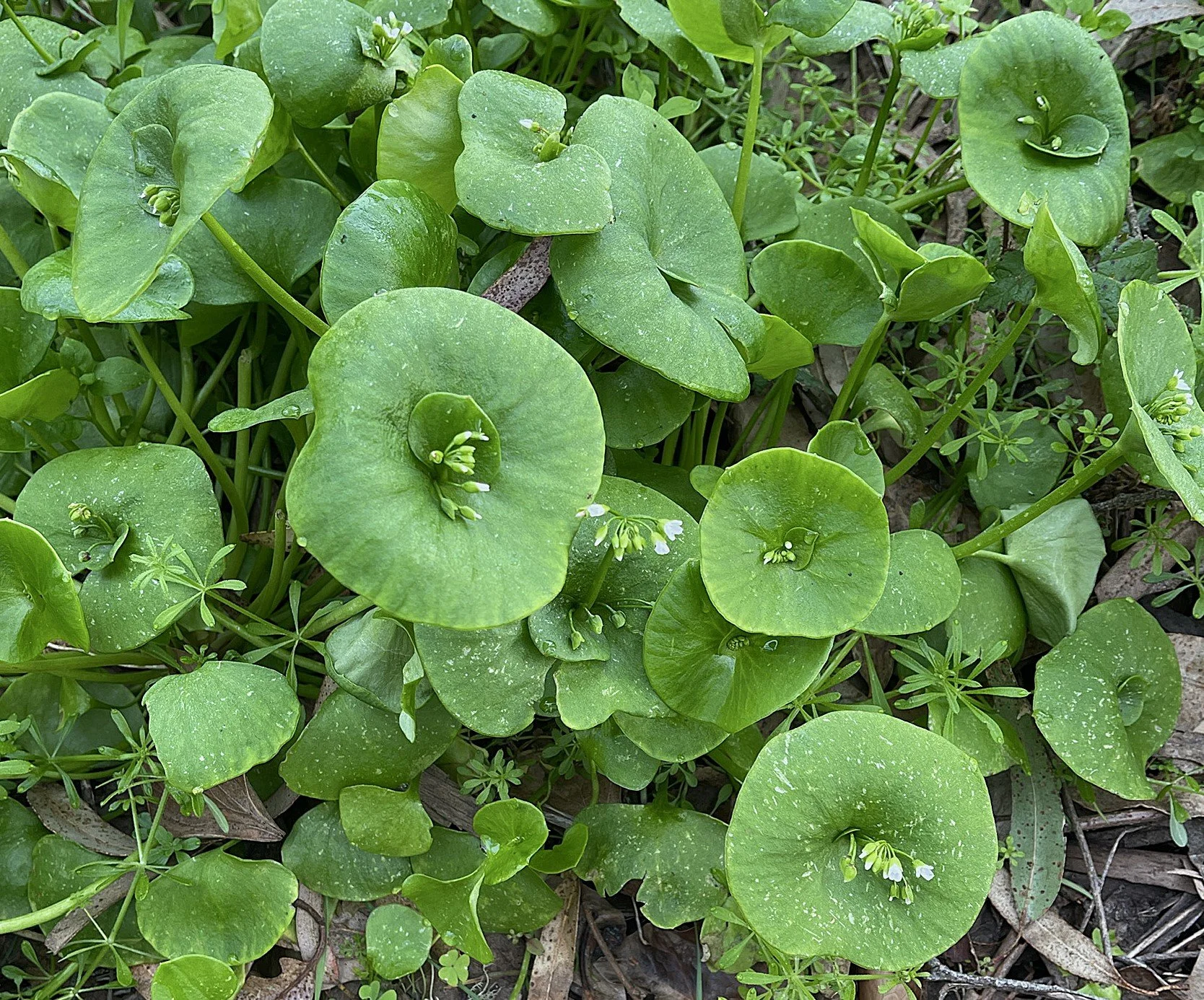
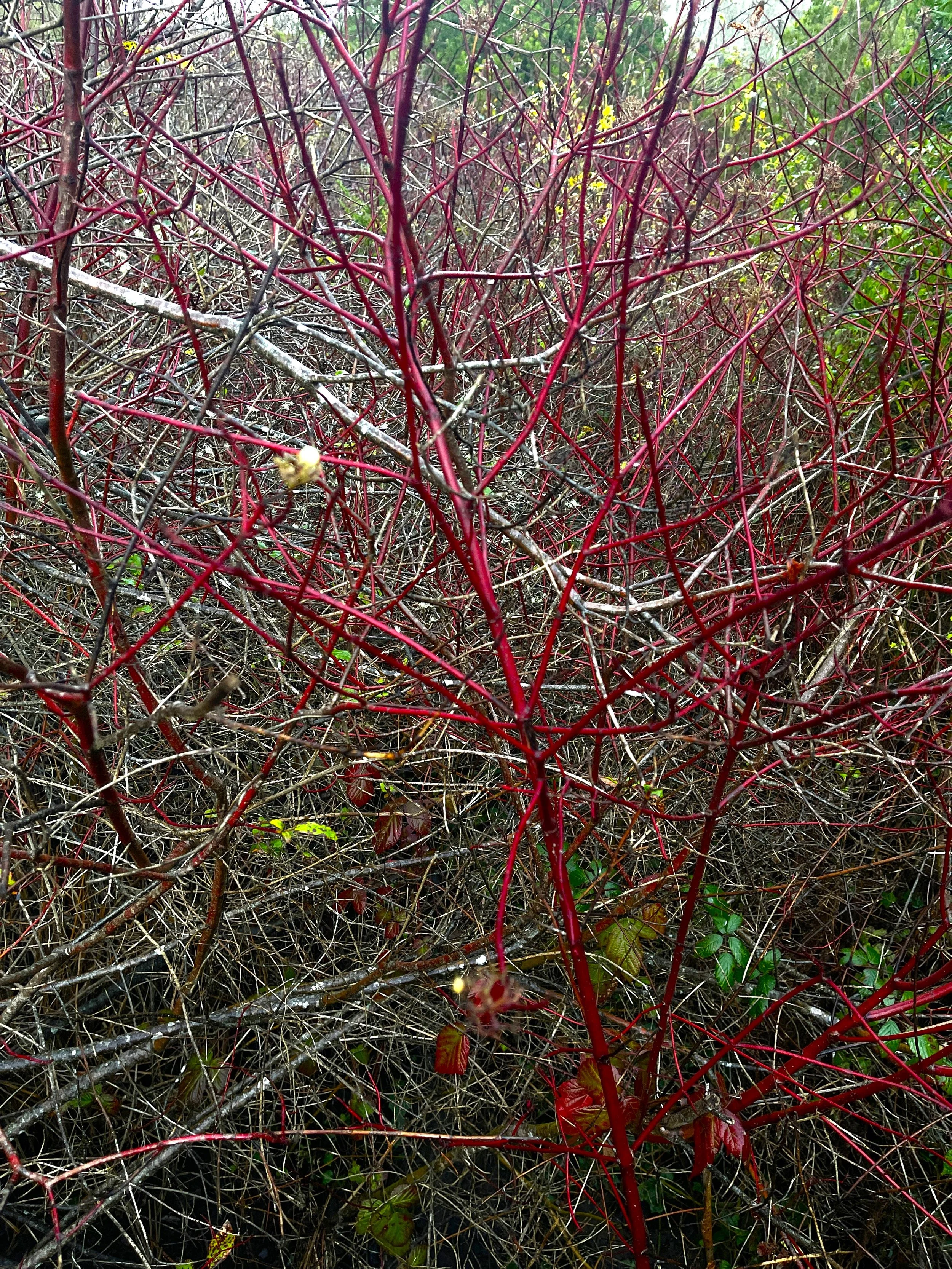
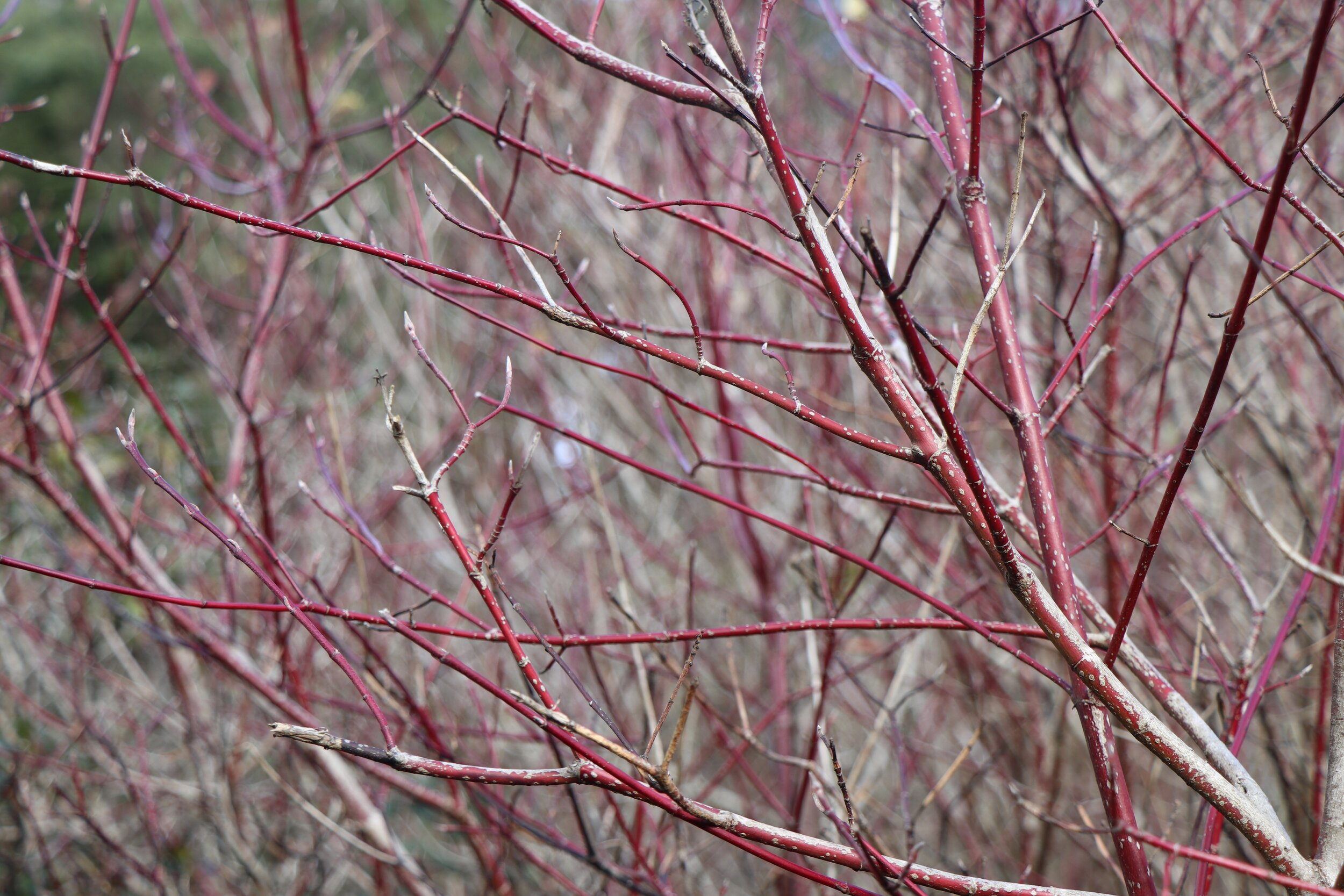
As late winter begins to bleed into spring some wonderful things begin to happen. The creek dogwood has been naked, without leaves, but its bark is electric red in the winter. However, when the leaves begin to appear the bark loses its brilliant color. My records show that the only trail to see it is the Bog Trail. Dogwood can be seen in almost every place where water crosses the trail. It’s quite a chameleon because its beauty is different in every season. Another really cool plant is miner’s lettuce (Claytonia perfoliata) . It has some really pleomorphic leaves, which means that the leaf shape changes as the plant matures. The first leaves are lance-shaped or somewhat triangular. The really strange leaf is actually two leaves that conjoin to form one leaf that surrounds the stem, giving the appearance that the stem and flowers have perforated the leaf: hence the Latin term perfoliata. The plant is edible with a rich taste and texture like butter lettuce.
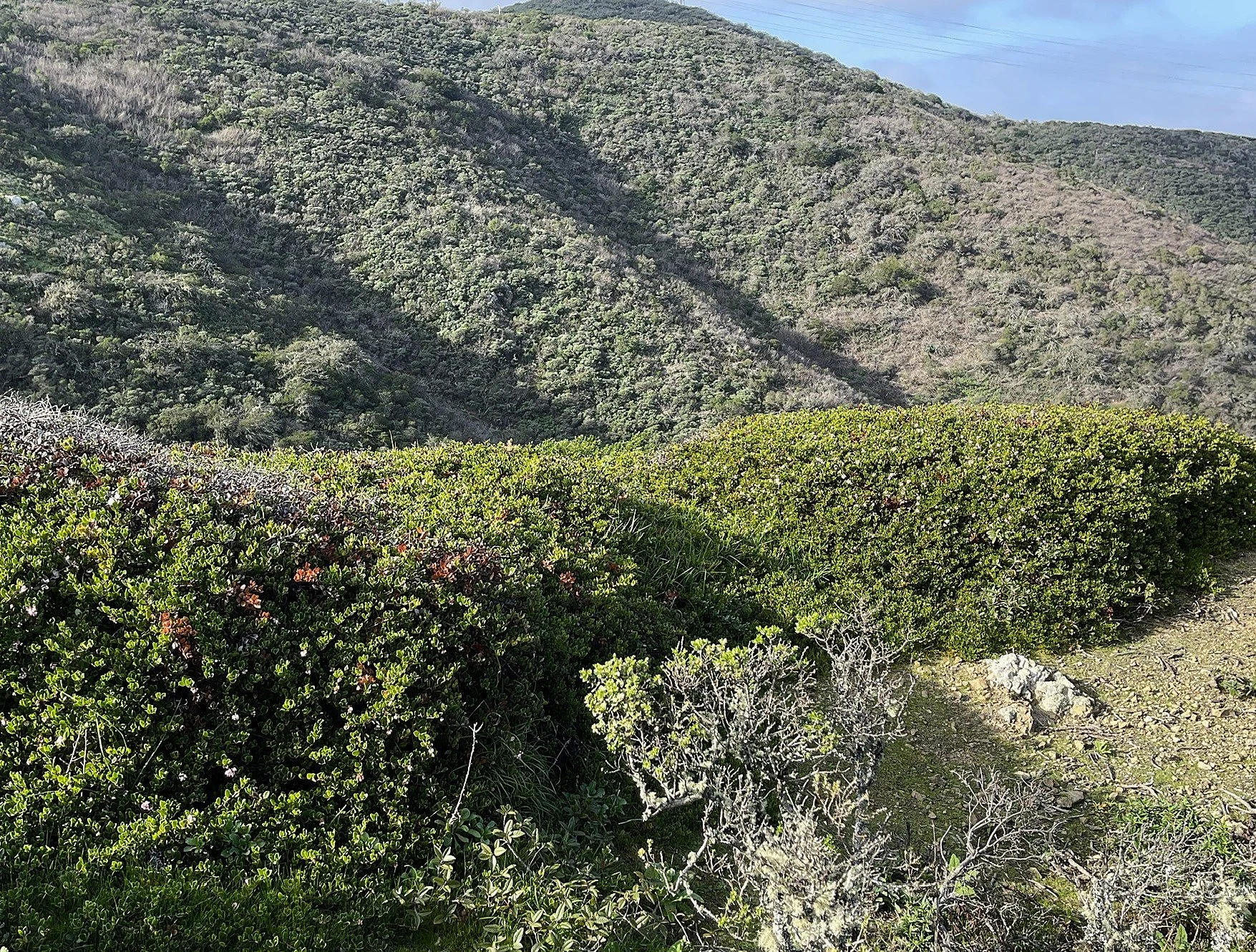
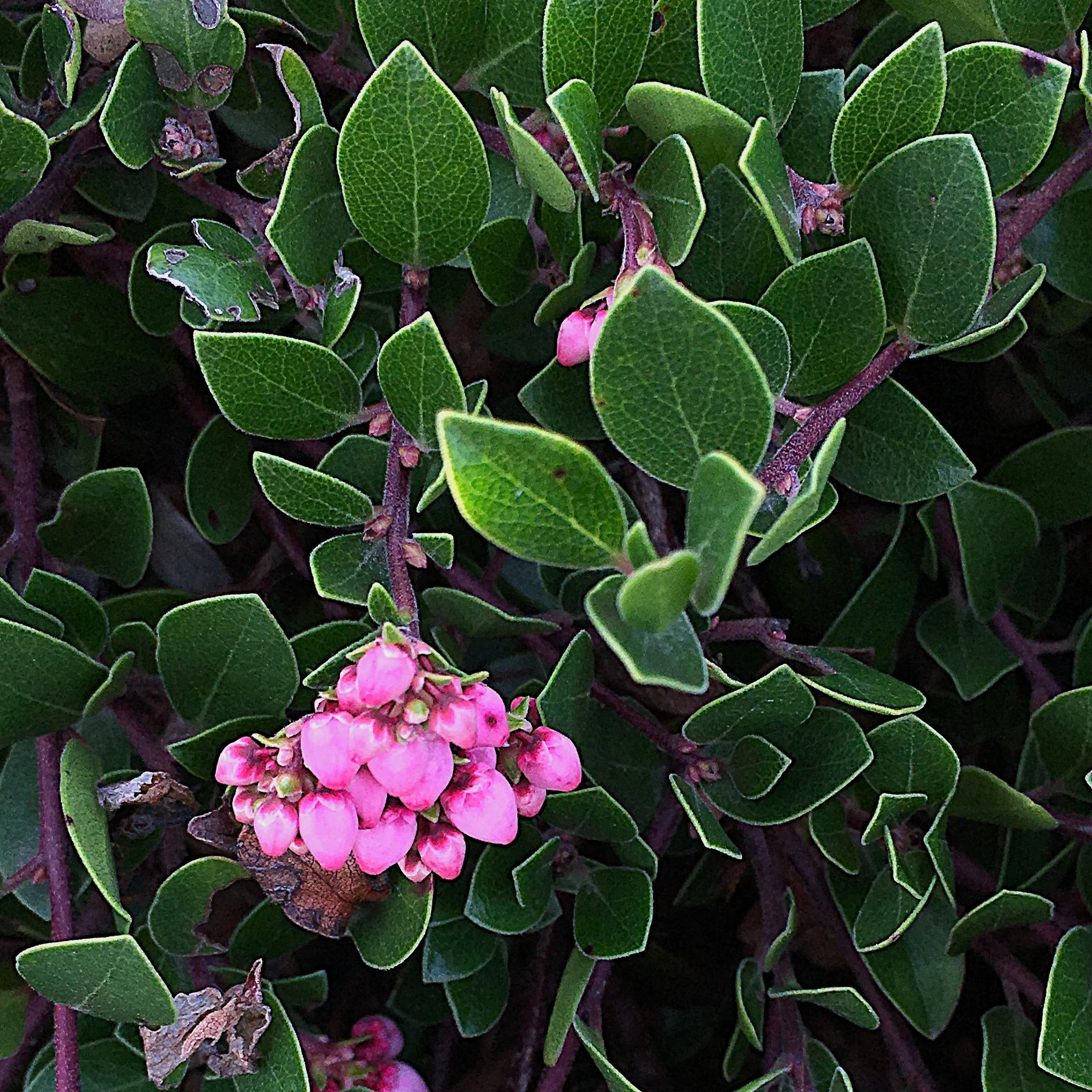
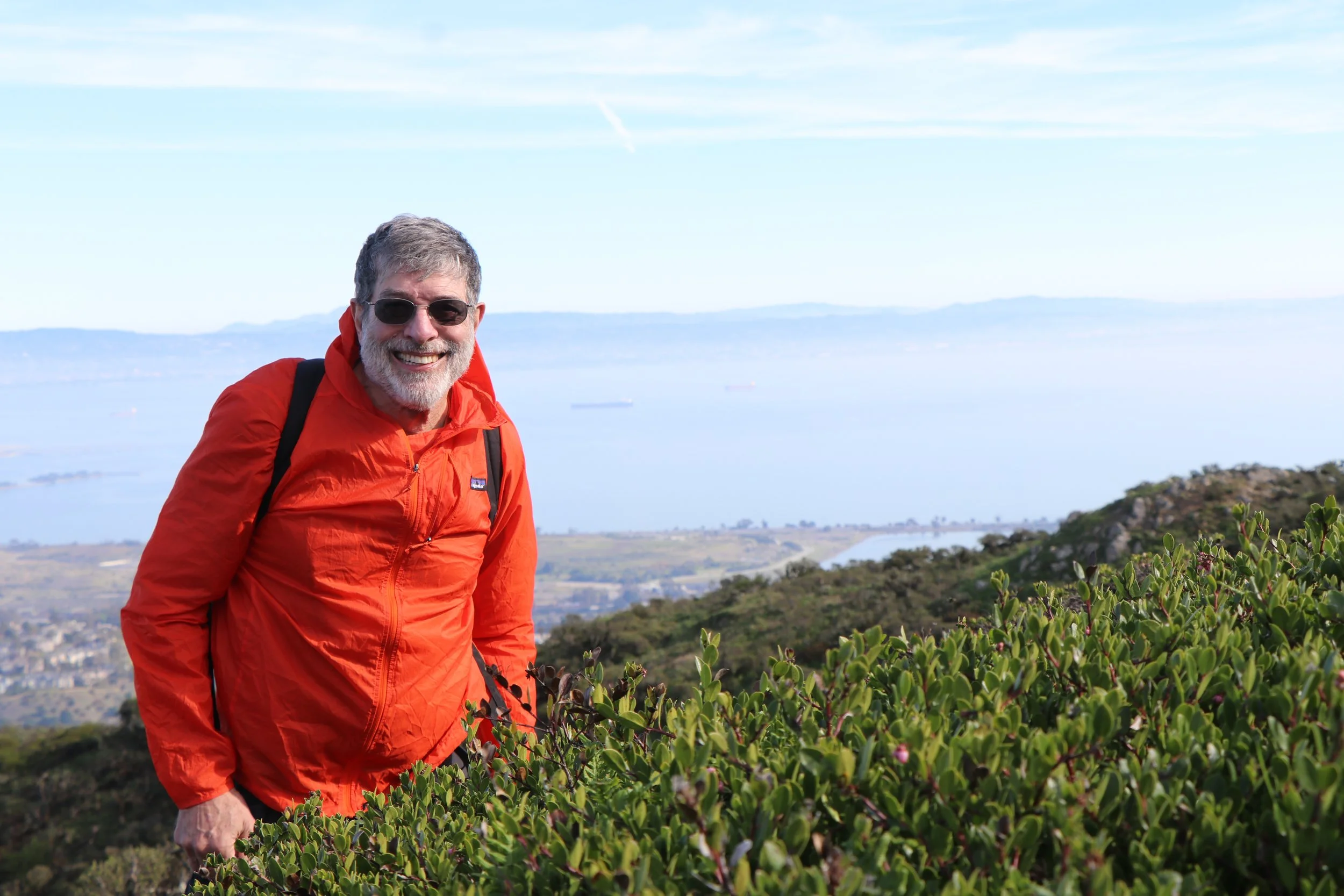
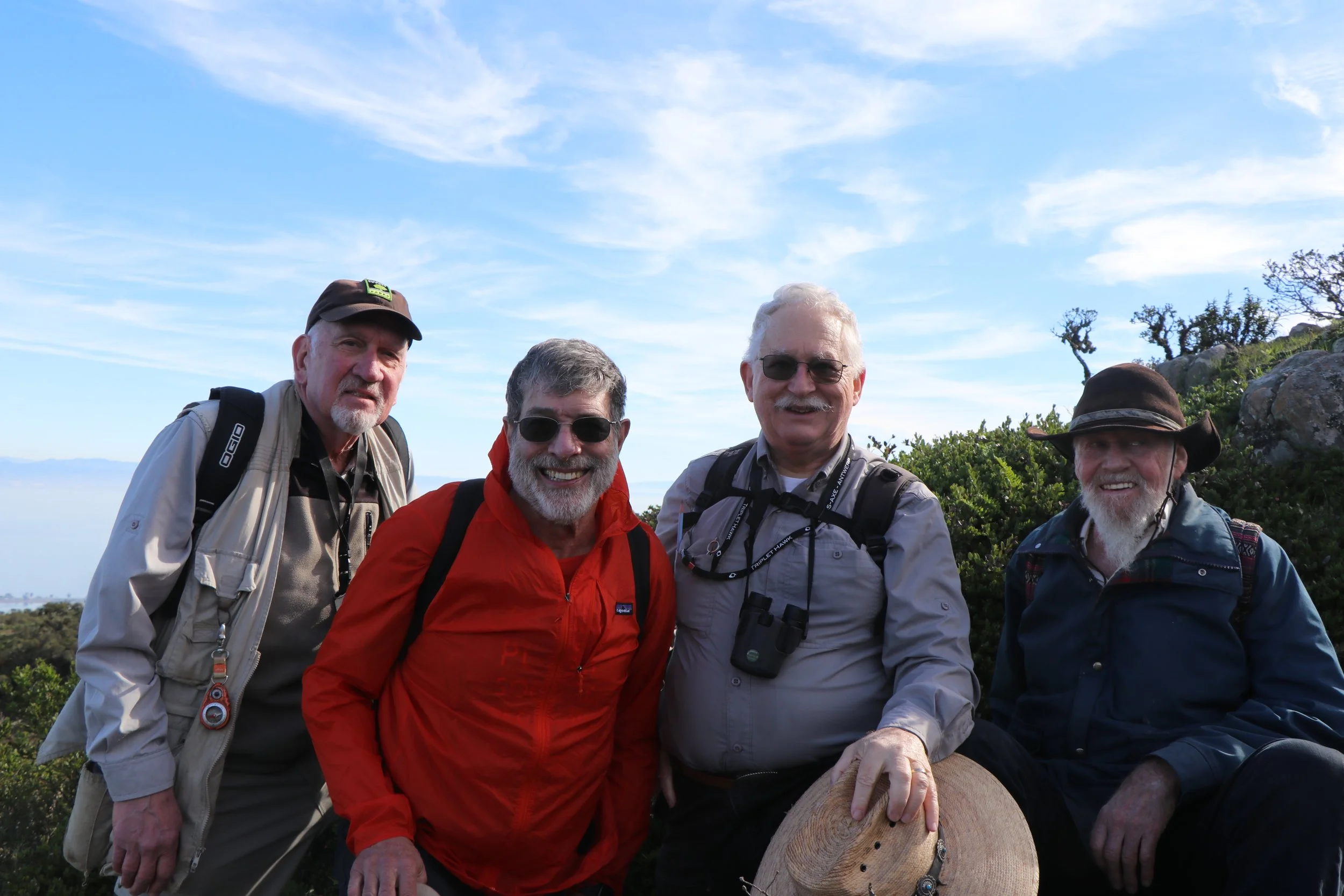
David Nelson managed to make a connection with a special person that changed our lives. It was pure serendipity. David set up iNaturalist to inform him of any iNat photo discoveries on San Bruno Mountain. One was posted by Roger Brewer, so David touched bases with him and asked if he knew Leo Brewer. “Yes, " he replied, “He’s, my father.” Leo was a professor of high-temperature chemistry at UC Berkeley and also worked on the Manhattan Project during World War ll. He also was very interested in native plants and had what was accepted as the finest native plant garden in the state. James Roof was a friend and admirer of Leo and named a manzanita in his honor, Arctostaphylos uva-ursi forma leobreweri. This manzanita is also one of four manzanitas that are endemic to San Bruno Mountain. A major wildfire in Devil’s Arroyo in 1964 destroyed the plant, but Jim Roof had cultivated cuttings at the East Bay Botanical Garden. In 1983 the County was contacted and asked if they would like to have their manzanita back. Fifteen plants were replanted in three locations and David Schooley showed David Nelson and me one of the locations in 2014. About a year later another good friend was looking for the location but made a wrong turn and accidentally found a second location. We never found the third location. In January, Roger Brewer came here from Portland, Oregon and got to see both populations of the manzanita named after his father. This manzanita was extirpated from the Mountain, forgotten about, replanted, forgotten about again, and joyously rediscovered.
As we put a wrap on winter and look forward to spring, our dearest Mother Nature has decided that it might be fun to slap some hot weather on the state. Short warm spells are somewhat common here in February or March, but they last for a couple of days before fog rushes in to save us from baking. This one is hotter and much longer and may kick-start an earlier bloom on the Mountain. It’s a great excuse to get out and immerse yourself in nature.
See you on the Mountain